
The true measure of our work
We believe impact is only real when it is felt on the ground and when it lasts. Across India, alongside grassroots partners, we work to widen access to livelihoods, skills, a healthier environment, and stronger communities. This is what that work adds up to.
Measuring the scale of our change
Behind every number is a partner who made it possible and a community that made it real.





Designed with social institutions and government, our interventions are built to scale and sustain impact.
Impact across our four focus areas
Improved market access and entrepreneurship
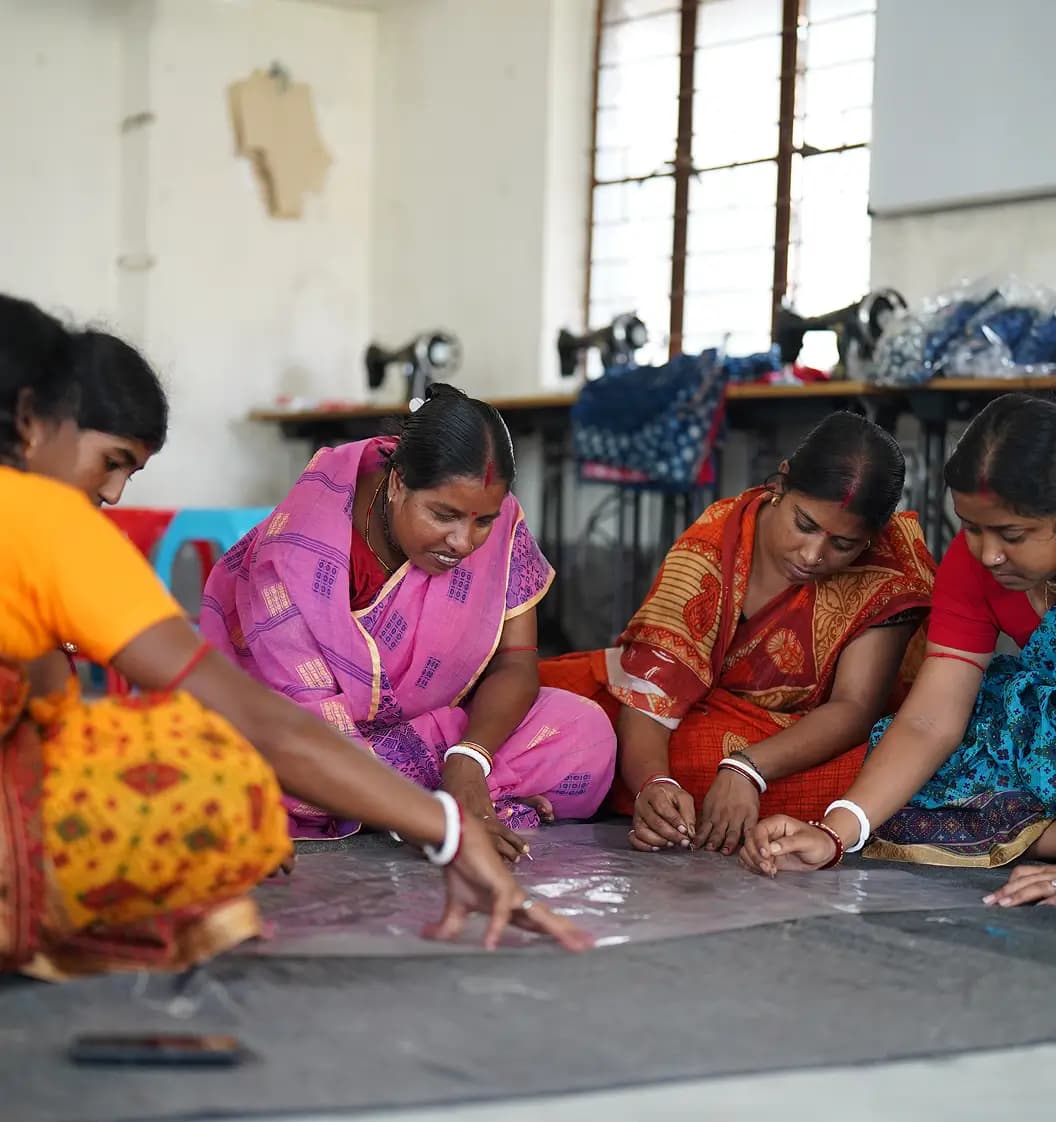
Weaving a Green Value Chain
In the quiet villages of Birbhum, the rhythmic stitch of Kantha is a centuries-old language. But for too long, this mastery didn't translate into fair livelihoods. We stepped in to change that narrative not just by training, but by building.
By forming women-led collectives and introducing Zero Waste practices, we’ve turned a domestic skill into a professional enterprise. Today, 265 artisans aren't just stitching fabric; they are running sustainable businesses and earning 11.75% more, proving that heritage can power the future.

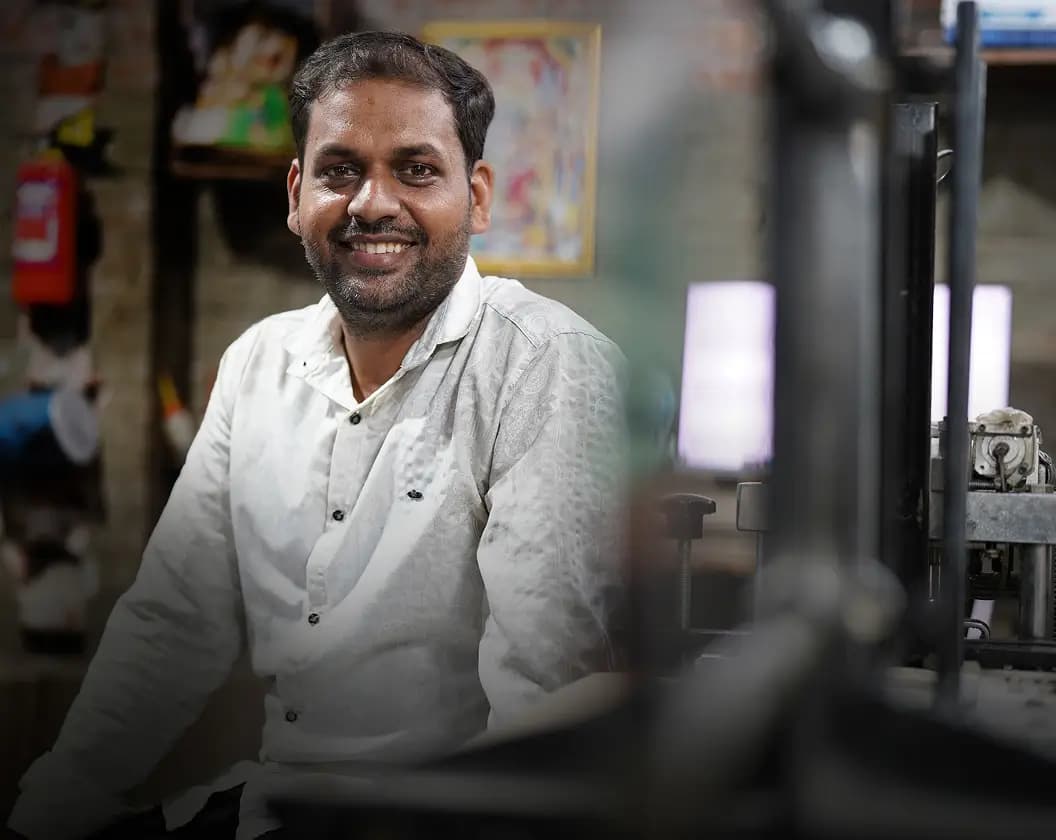

Rewriting the Rules, Claiming Her Space
Manoj Prajapati, 35, is a third-generation card puncher in Varanasi earning barely ₹15,000 a month despite his expertise in guiding looms to weave the world-famous Banarasi sarees.
HaqDarshak helped him secure a ₹5 lakh CM-YUVA loan with a ₹50,000 subsidy to buy his first powerloom. He now earns ₹30,000/month. "My dreams were fulfilled by HaqDarshak and Flipkart Foundation," he says.
317+
Artisans linked to modern markets

2,500+
Micro and nano entrepreneurs impacted

30+
Farmer Producer Organisations strengthened

Skill development
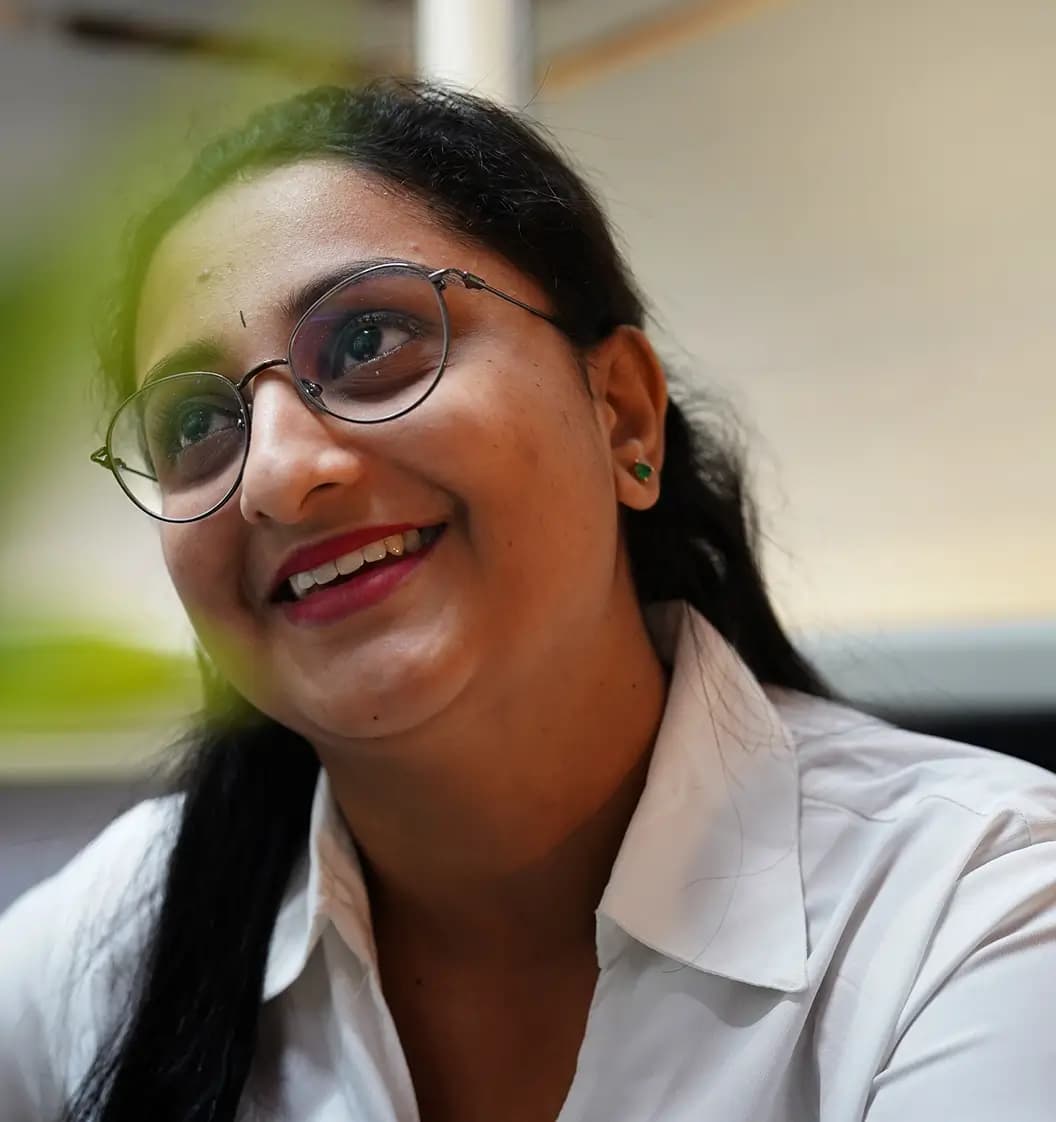

Rewriting the Rules, Claiming Her Space
Chandana, 23, from Bengaluru held a B.Com degree but struggled to find work. Social pressure mounted as relatives taunted her for being "an unmarried, unemployed burden." She felt trapped with no way forward.
The BFSI programme placed her as a Recovery Agent earning ₹19,000/month. When she presented her first paycheck, her father said: "Daughters, too, can achieve something." They moved from a single room to a two-room home.

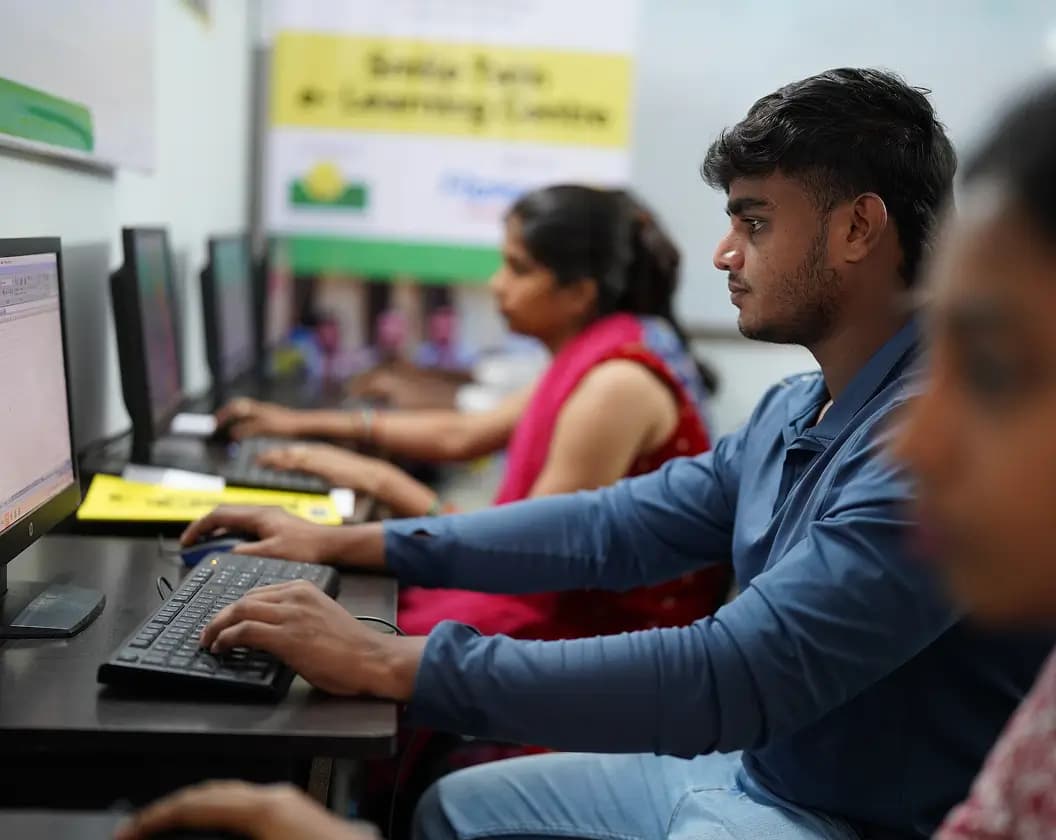
Carrying his Family's Hopes on Steady Shoulders
Muthu Kumar, 21, from Bengaluru faced repeated rejections due to limited English and weak computer skills. His family needed his income urgently, worsened by a ₹5 lakh loan for his sister's marriage.
After BFSI training, he was placed as a Retail Accountant earning ₹15,500/month. "I can support my family and plan my future," he says. His father adds, "Muthu is giving us a better life."
360+
Candidates certified for jobs in banking and finance

2,400+
Youth trained in digital and employability skills
600
Women equipped with vocational skills
Environmental Responsibility
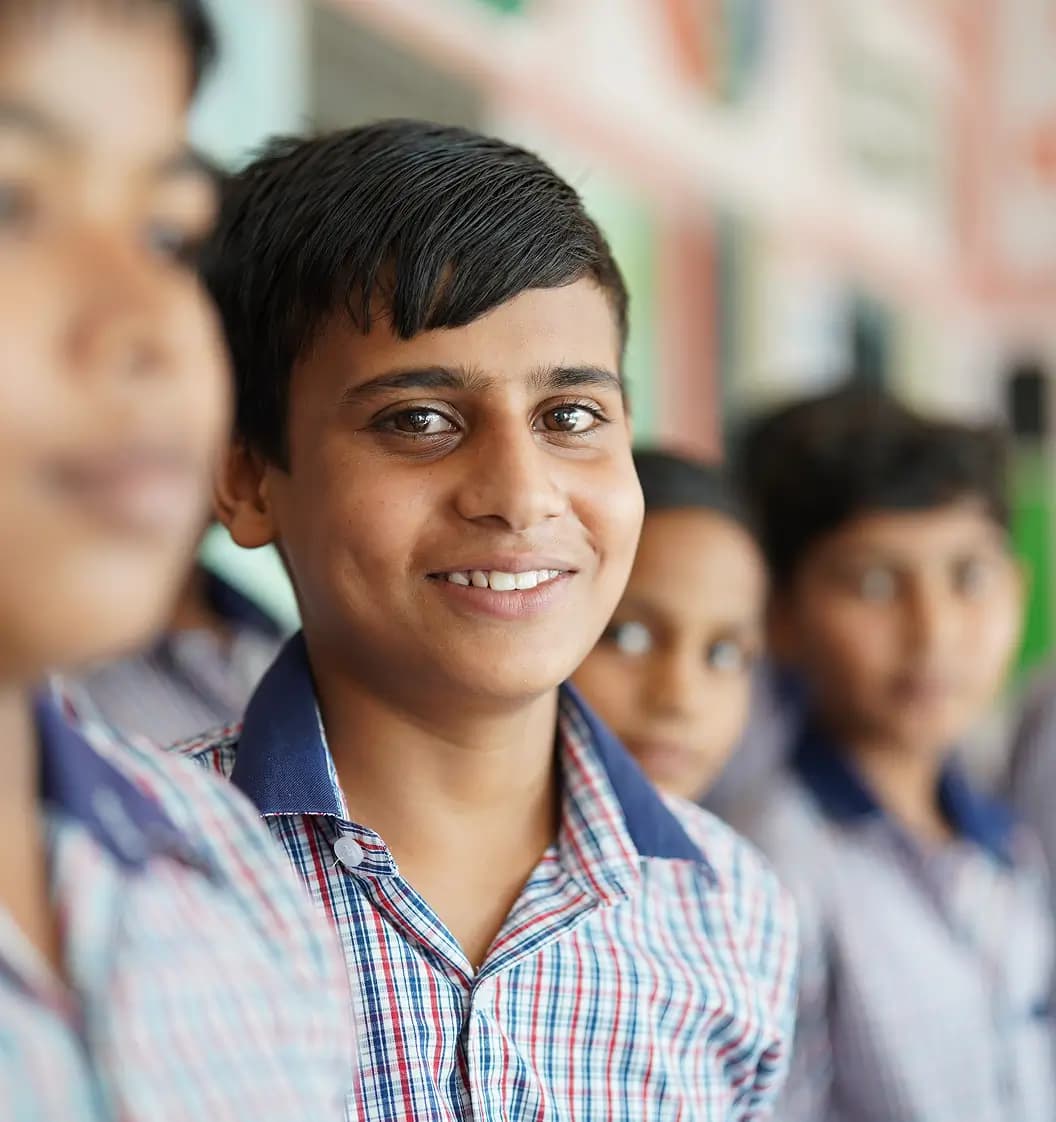
Leading the Fight for Tomorrow's Greener World
Chirag Kumar, 14, from Kurukshetra grew into a young climate leader through Project Sajeevan. At school awareness sessions, he learned that reducing global warming is everyone's responsibility including his.
Back home, he convinced his father to stop burning crop stubble and test the soil, and encouraged composting practices. From planting saplings to spreading awareness, Chirag proves that change begins at home.
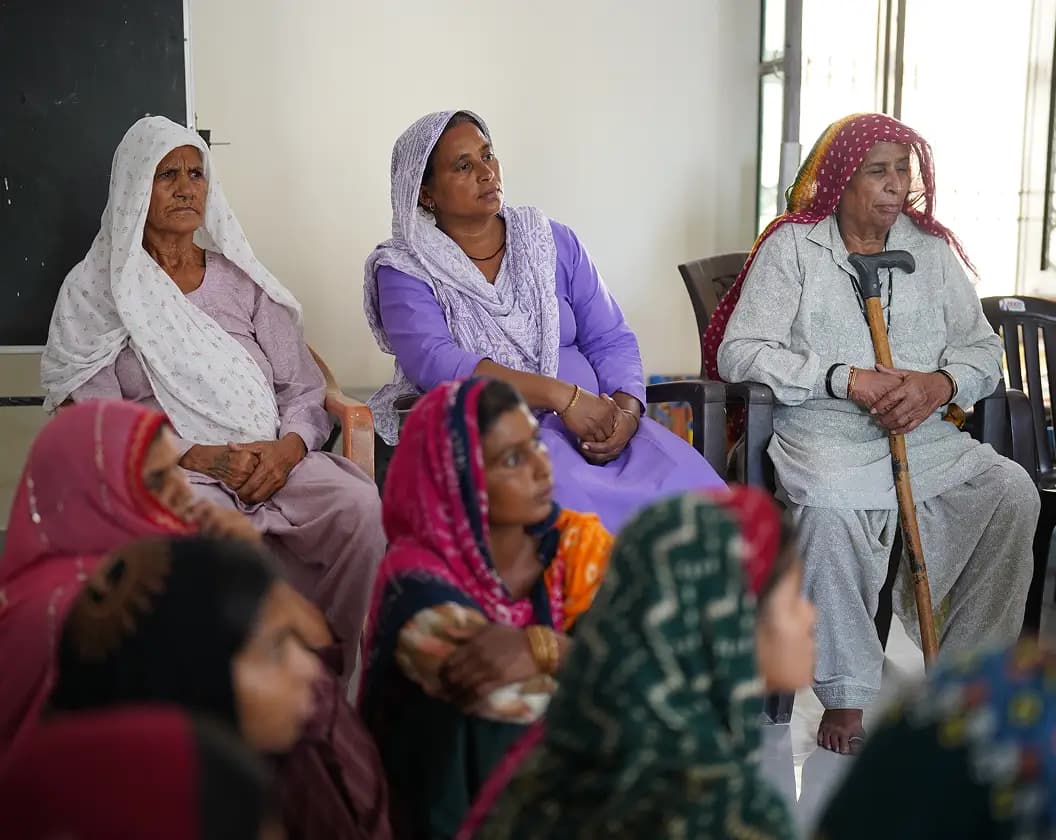
Sowing Green Practices in Rural Women in Kurukshetra
Sarojbala, 45, a widowed Anganwadi helper from Kurukshetra, discovered sustainable farming through Project Sajeevan, learning crop rotation, composting, and water-efficient irrigation.
She now plans to use a Super Seeder instead of burning stubble and visits women's homes to share these practices. Over 20 women in her village have already changed their farming methods.
4,600+
Children and youth nurtured as environmental leaders

35,000
Saplings planted across fragile landscapes
60+
Villages reached with sustainable farming awareness

Community Development
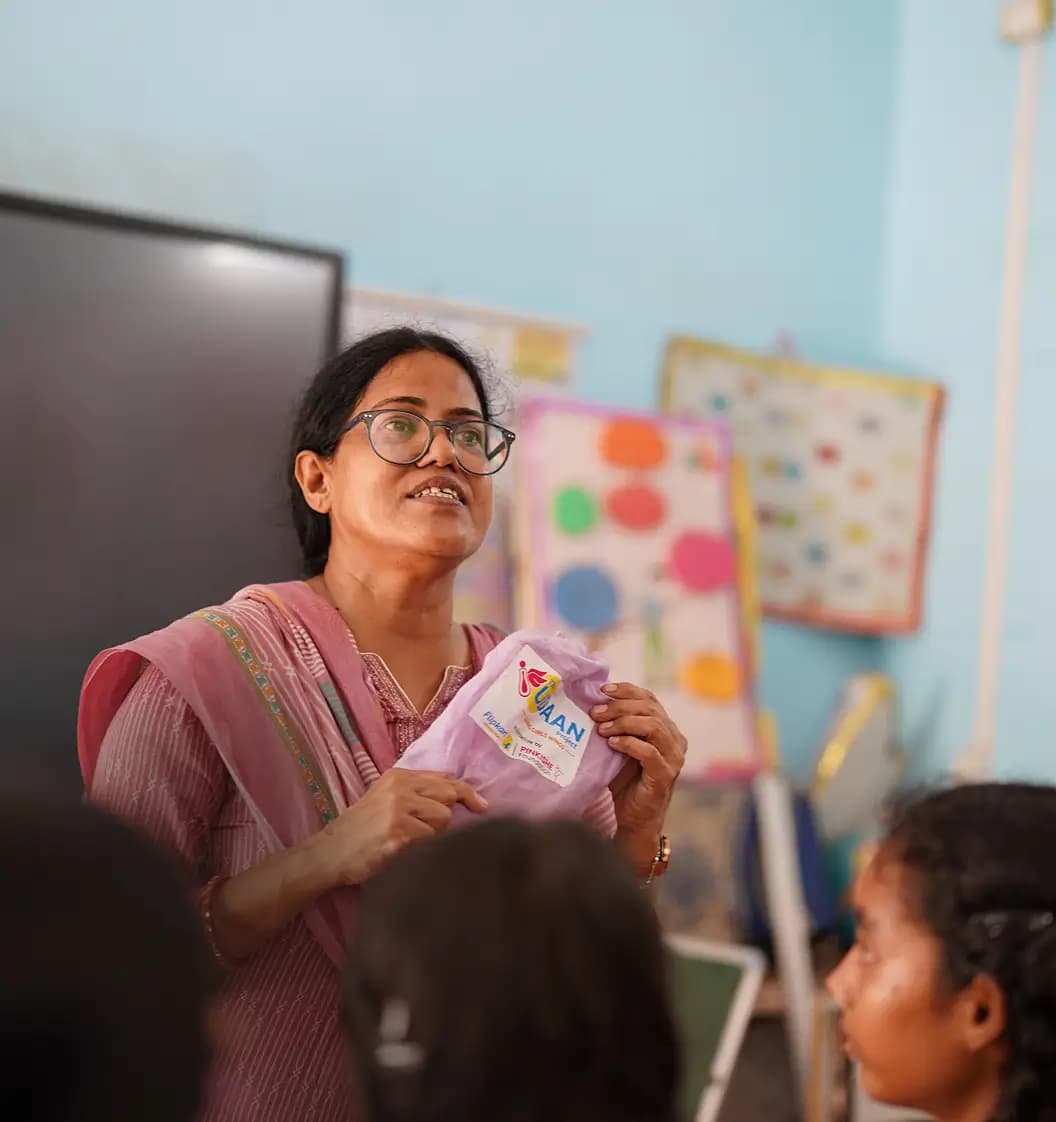

When Conversations Replace Stigma
Maya Singh Thakur is a menstrual educator with Project Udaan, working in communities where periods were rarely spoken of. Through empathetic, science-based conversation, she helps girls and women replace shame with understanding.
By creating circles of confidence, where those she teaches go on to share what they learn, Maya has reached hundreds of girls. As she puts it, "Talking about periods was always shameful in my community. Through this programme, I've helped hundreds of girls and myself embrace change."

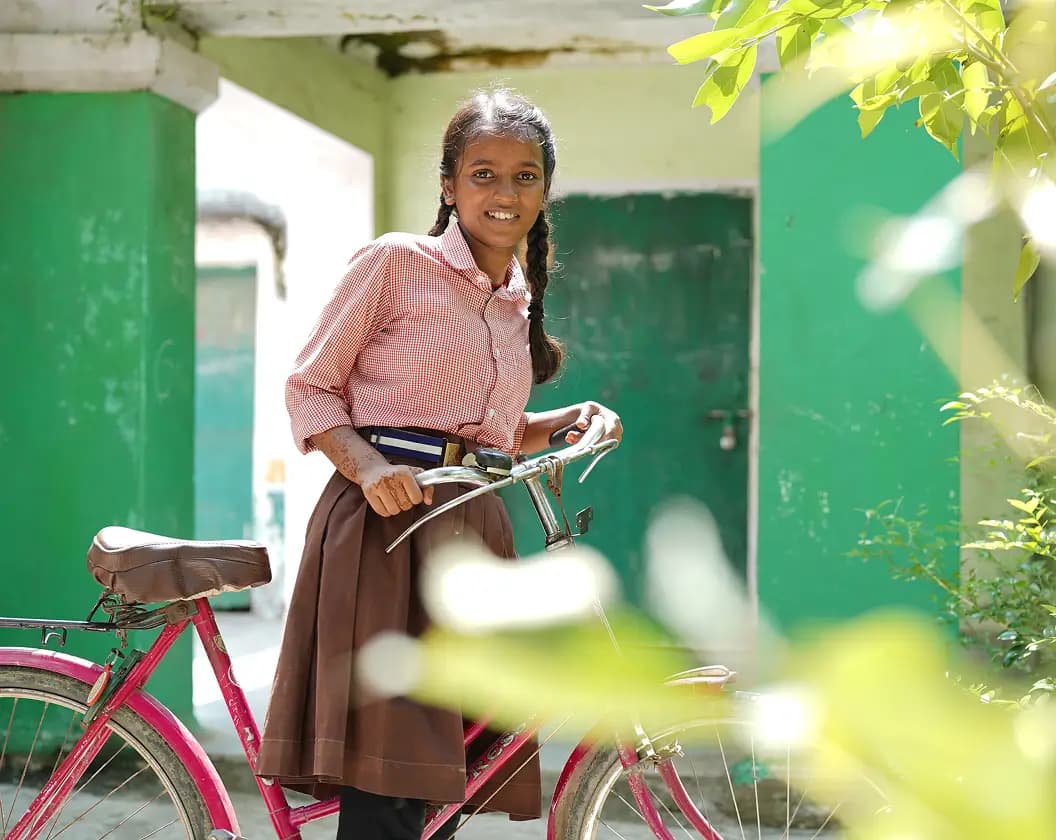
Turning Silence into Strength
Anshika, 13, a seventh-grader from Varanasi, once followed menstrual taboos she did not understand, told not to wash her hair or touch pickles. Through Project Udaan, her school held a menstrual literacy session where, for the first time, she could ask questions openly.
Anshika, 13, a seventh-grader from Varanasi, once followed menstrual taboos she did not understand, told not to wash her hair or touch pickles. Through Project Udaan, her school held a menstrual literacy session where, for the first time, she could ask questions openly.
8,000+
Cumulative outreach across communities

29 L+
Disposable pads avoided through reusable alternatives

23,000+
Kilograms of menstrual waste reduced

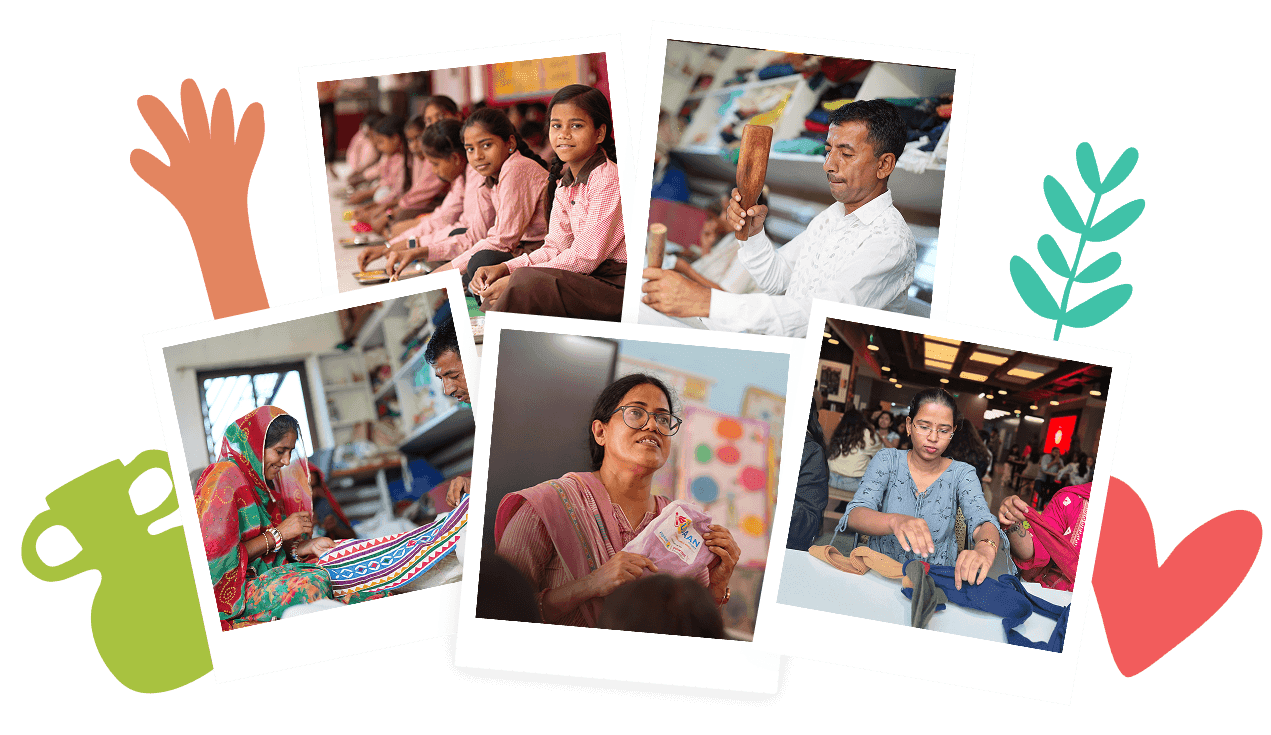
Building India together, one partnership at a time
We are always looking for partners who share our vision. Tell us about your work and how you would like to collaborate.